 Skip to content
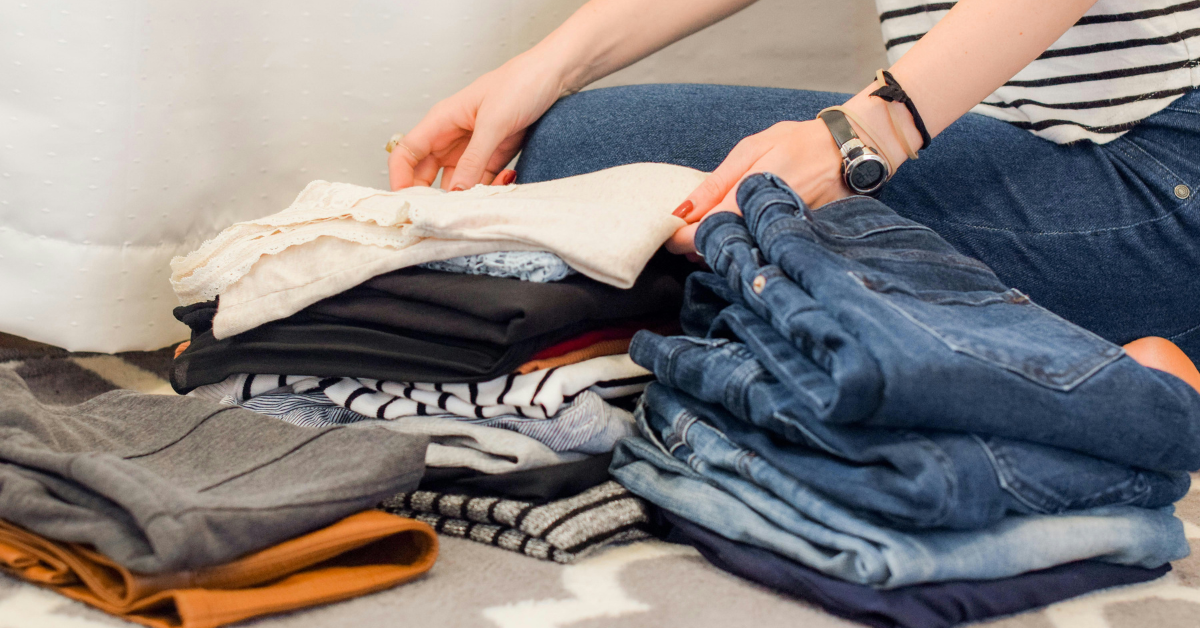
Fast fashion made it easy to buy more clothes than we need Cheap prices feel great in the moment but the real cost often shows up later Worn fabrics crowded closets and a pile of clothes that barely lasted a season
That is where sustainable fashion starts to make sense It is not only about organic cotton or eco labels It is about buying smarter and wearing what you own for longer
One simple idea can change the way you shop Cost per wear asks a better question Not is this cheap but how often will I actually wear it
In this guide we explain how cost per wear works Why it matters in 2026 and how it helps you build a wardrobe that lasts without wasting money or style
In the New Rules of the Sustainable Fashion in 2026 – What is the Shoppers Need to Know
Sustainable fashion looks very different today than it did a few years ago
Shoppers no longer focus only on eco labels or recycled fabrics
They also look at how long a garment lasts and how often they will wear it
Because of this shift many people now ask smarter questions before buying something new
Brands are responding to this change
Many now focus on durability better materials and transparent supply chains
However responsibility also falls on the shopper
Choosing quality over impulse buys wearing clothes longer and caring for garments properly all play a role in building a more sustainable wardrobe
Why 2026 is a turning point for fashion
Fashion has reached a moment where the old buy wear discard cycle no longer works for many shoppers
People see the impact of overproduction and short lived trends
Closets fill quickly yet many items barely get worn
Because of this frustration shoppers have started rethinking how they buy clothing
In 2026 the conversation is less about trends and more about value
People want clothes that justify their price through quality versatility and long term use
Therefore the cost per wear mindset is becoming a practical tool
It helps shoppers measure value in real life use instead of the price tag alone
What Is Sustainable Fashion
Sustainable fashion focuses on making clothing in ways that respect people resources and long term use
It encourages thoughtful design responsible production and smarter consumption
Instead of producing endless cheap garments the goal is to create pieces that stay useful for years
However sustainability is not only about how brands produce clothing
It also depends on how people buy wear and care for what they own
Choosing fewer better made items repairing clothes when possible and wearing them regularly
all support a more responsible fashion cycle
How to Shop Responsibly and Stay Stylish
Responsible shopping does not mean giving up personal style
In fact it often leads to a stronger more consistent wardrobe
When people focus on versatile pieces they naturally build outfits that work together
A well chosen jacket a reliable pair of trousers or a classic shirt can appear in dozens of outfits
Before buying something new it helps to pause and think about real use
Will it match items you already own
Can it work in different settings
Can it last through many seasons
Asking these questions makes shopping more intentional
and reduces purchases that sit unworn in the closet
Slow Fashion Definition
Slow fashion takes the opposite approach of fast fashion
Instead of chasing constant trends it focuses on quality craftsmanship and thoughtful buying habits
The idea is simple buy fewer pieces choose better materials
and wear them for a long time
This approach values durability and timeless design
because clothes should serve a purpose beyond a single season
Therefore slow fashion encourages shoppers to see clothing as an investment
rather than a quick purchase
Over time this mindset leads to wardrobes that feel more personal
more reliable and far less wasteful
How Slow Fashion Started
Slow fashion began as a response to the rapid rise of cheap mass produced clothing
As brands pushed out new styles every few weeks shoppers started noticing a problem
Clothes looked trendy but they rarely lasted long
Because of this frustration designers writers and consumers began promoting a slower more thoughtful way to buy clothing
The idea was simple choose fewer items focus on quality and wear them longer
Over time this approach grew into a movement that values craftsmanship durability and responsible production rather than constant trend chasing
Economic Sustainability
Economic sustainability in fashion focuses on long term value rather than short term savings
A cheap garment might feel like a good deal at first however it often wears out quickly and needs replacing
Therefore shoppers end up spending more money over time
The cost per wear mindset changes that calculation
A well made jacket that costs more but lasts for years often delivers better value than several cheaper alternatives
Because of this many people now look at durability versatility and repairability before buying a new piece
Key Principles of Sustainable Fashion
Sustainable fashion follows a few practical principles that guide both brands and shoppers
First clothing should be designed to last because durability reduces waste over time
Second materials should be chosen carefully so fabrics hold up through repeated wear and washing
Third production should respect workers and resources because responsible manufacturing protects people and the environment
Finally mindful consumption matters just as much
Therefore shoppers support sustainability when they buy fewer pieces choose versatile items and wear them regularly instead of letting them sit unused in the closet
The Benefits of Sustainable Fashion
Sustainable fashion offers benefits that go beyond environmental concerns
It also improves the way people build and manage their wardrobes
When clothes last longer shoppers spend less time replacing worn items
and more time enjoying pieces they truly like
In addition quality garments often fit better age well and become reliable staples over the years
Because of this many people find that a smaller well chosen wardrobe feels easier to manage while still offering plenty of style options
From the buzzwords to the real impact of what sustainable mean should now
The word sustainable appears everywhere in fashion marketing
however shoppers have become more careful about what it really means
A true sustainable approach goes beyond labels or vague promises
It focuses on real impact such as durable design responsible materials and honest production practices
Therefore many experts now encourage shoppers to look past buzzwords
and pay attention to practical signals like garment quality brand transparency and long term usability
When sustainability works properly it helps people buy better clothes
wear them longer and reduce waste without sacrificing personal style
Key 2026 rules for brands durability repairability and waste reduction
Fashion brands face growing pressure to rethink how clothing gets designed and produced
Durability now sits at the center because garments should survive years of real use not just a few washes
Many companies also design products with repair in mind
which means stronger stitching replaceable parts and fabrics that hold their shape over time
Waste reduction also matters because excess inventory and discarded textiles create serious environmental problems
Therefore responsible brands now focus on smaller production runs smarter material use and recycling systems that keep clothing in circulation longer
What these changes mean for everyday shoppers
These changes make shopping a little more thoughtful but also more rewarding
Shoppers now see more information about fabrics sourcing and garment durability which helps them make better decisions
However responsibility does not stop with brands because how people use clothing also matters
Choosing versatile items wearing them regularly and repairing small damage instead of replacing pieces too quickly
All support the new direction of fashion
Over time this approach leads to a wardrobe that feels more reliable and less cluttered
Shop sustainable fashion that follows the new rules
Shopping with sustainability in mind does not require a complete wardrobe overhaul
Instead it starts with small habits that guide better choices
For example shoppers can check fabric quality look for strong seams
and consider whether a piece works in multiple outfits
Because versatile clothing naturally increases cost per wear
these pieces deliver better long term value
It also helps to support brands that offer repair programs transparent sourcing and durable materials
since these signals show a real commitment to responsible fashion
Why Sustainable Fashion Is Still a Challenge
Even with growing awareness sustainable fashion still faces real challenges
Many shoppers want better options however affordable durable clothing can be harder to produce
Because responsible materials and fair labor cost more
Fast fashion also remains widely available which makes impulse buying easy
Therefore the shift toward sustainability requires both industry change and consumer patience
Over time steady demand for quality and transparency will push more brands to improve their practices
Sustainable Fashion Brands Worth Watching in the USA
Several brands have gained attention for focusing on durability responsible materials and transparent production
Companies like Patagonia Everlane Reformation and Eileen Fisher often lead conversations about responsible fashion
Because they emphasize product longevity ethical sourcing and repair or recycling programs
However shoppers should still evaluate each purchase carefully
Because sustainability depends not only on brand promises
but also on how often and how long each item gets worn

2 thoughts on “What Is Sustainable Fashion? The “Cost-Per-Wear” Guide for 2026”