 Skip to content
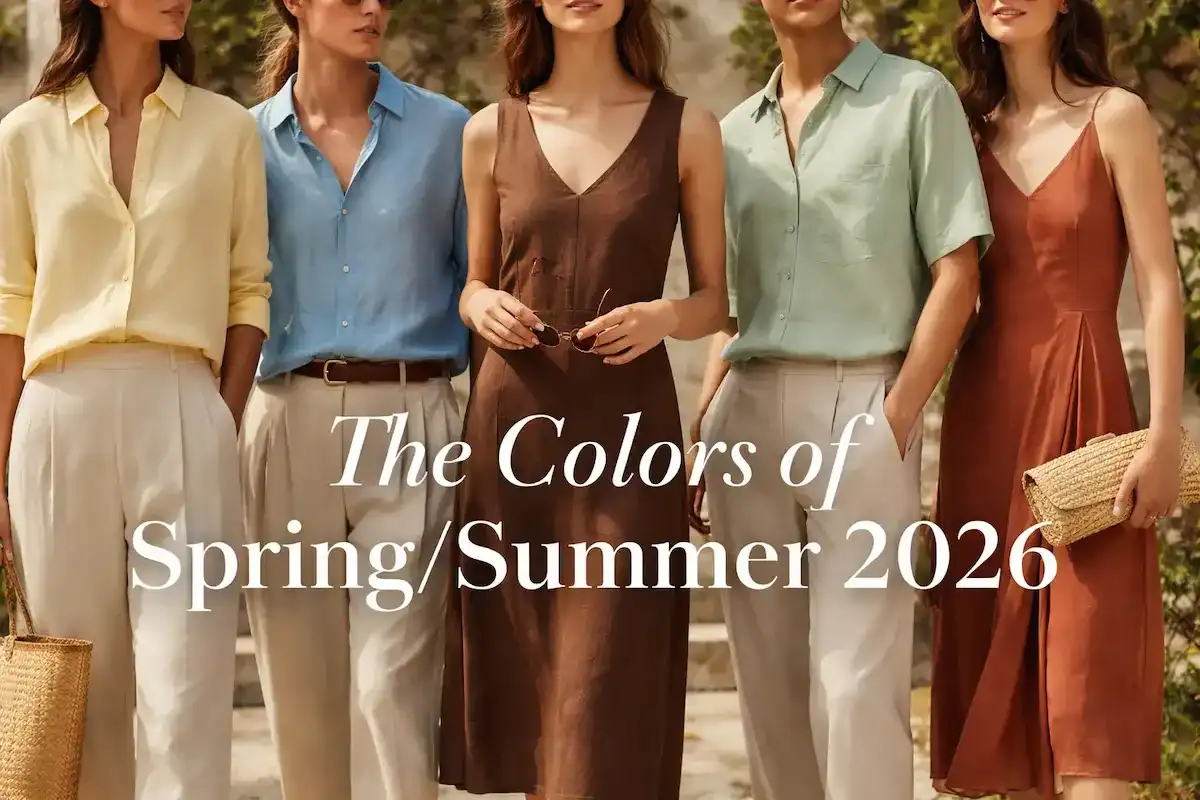
I still remember ruining a perfect summer outfit because I picked the wrong shade of green.
It was one of those humid June afternoons in Milan, the kind where linen sticks to your back and you swear you’ll never wear anything but white again.
I had on a sharp, cream linen shirt, relaxed pleated trousers, and bright, loud, artificial neon-green loafers I thought were “fun.” They weren’t. They looked like a highlighter attacking an otherwise calm outfit.
That was the day I stopped thinking about colour as decoration and started seeing it the way designers do: as mood, Temperature, Light, Fabric, Skin tone. What the shade does after five washes. How it behaves under real sun, not studio lighting.
Spring/Summer 2026 feels like a collective exhale. After years of aggressive brights and algorithm-friendly colour, the palette has softened. It’s more intelligent. More flattering. More wearable in actual life.
The New Neutrals:
Why 2026 is Moving Away from Stark White
White will always have its place, but many designers are quietly shifting toward tones that feel just as fresh with a little more depth. Colours that don’t glare in sunlight or wash out your complexion by noon.
Butter Yellow:
The Creamy Alternative to Taxi-Cab Brights
This isn’t the yellow people fear. No hazard signs. No highlighter energy. Think softened butter in a ceramic dish—creamy, warm, gentle.
In linen shirts, silk skirts, cotton poplin dresses, and relaxed tailoring, it reads as understated luxury. The softness of the dye against breathable fabric gives it dimension; it doesn’t sit flat the way synthetic versions do.
I’ve seen it work effortlessly with off-white trousers, light-wash denim, tan leather sandals, and suede loafers. It’s the colour people reach for when they’re tired of white but still want that same lightness.
Cocoa Brown:
Grounding Your Summer Wardrobe
Deep brown used to be packed away with winter coats. Now it’s back, reworked in lighter weaves and breathable fibres that let the colour feel rich rather than heavy.
Cocoa brown linen trousers, ribbed cotton tanks, slip dresses in fluid silk—these pieces feel grounded but not dense. The shade replaces black in summer wardrobes, and it’s far kinder to most skin tones, especially in natural light. Paired with cream, beige, or soft white, it looks deliberate rather than severe.
Nature-Inspired Tones:
Sun-Faded and Mediterranean
The most compelling colours this season look like they’ve lived a little—washed by sun, softened by time, inspired by landscapes rather than screens.
Washed Sky Blue:
The “Sun-Bleached” Essential
Not corporate blue. Not royal. This shade looks like it’s been left in the sun for a few summers.
On Oxford shirts, relaxed blazers, wide-leg trousers, and summer knit polos, it feels easy and quietly refined. With white minimalist sneakers or sand suede Chelsea boots, it just works—no overthinking required.
Soft Clay & Terracotta:
Bringing Warmth to Linen
Earth tones usually signal autumn, but this version is dusty and sun-faded.
Think Mediterranean walls after years of heat. The colour carries warmth without heaviness, especially in linen co-ords, midi dresses, Cuban collar shirts, and tailored shorts. Add chocolate brown leather, woven belts, or espadrilles and the whole look feels transported—coastal, but not costume-y.
Pistachio Green:
The Refined Way to Wear Colour
This is the green I wish I’d worn in Milan.
Muted. Milky. Slightly greyed out. It has colour, but it doesn’t shout.
In satin skirts, overshirts, lightweight suits, or structured handbags, pistachio feels modern and calm. It’s especially strong with cream, beige, and light grey. The key is fluidity—when the fabric moves and breathes, the shade looks elegant. In stiff, shiny materials, it can turn clinical fast.
Fabric Matters:
Why Colour Only Works with the Right Texture
This is where most people go wrong. They chase the shade and ignore the surface it lives on.
Butter yellow in cheap polyester can look like a raincoat. In linen or cotton poplin, it looks airy and expensive. Pistachio in stiff fabric feels hospital-adjacent; in silk, viscose, or washed cotton, it’s soft and refined.
Natural fibres—linen, Pima cotton, silk—absorb dye with subtle variation. That slight irregularity gives the colour depth. Synthetics often reflect light too harshly, making soft tones look shiny and flat.
Care matters, too. These gentle shades don’t forgive rough handling. Cold washes and air drying help them keep their nuance instead of fading into something tired and lifeless.
Styling Strategy:
How to Wear These Shades in Tier 1 Cities
In places like Milan, London, or New York, polish is expected—but effortlessness is admired.
With lighter shirts in butter, sky blue, or pistachio, a loose French tuck works wonders. Tuck the front casually, then pull a bit of fabric out at the sides. It creates airflow in the heat, stops fabric from clinging, and lets the colour fall naturally instead of sitting stiff and flat against the torso.
Footwear should stay quiet and considered: suede loafers, minimalist white sneakers, tan leather sandals, sand-toned Chelsea boots. Neutral shoes give these nuanced shades space to breathe. Heavy, dark footwear can drag the whole palette down.
Investing in Longevity Over Trends
What makes this season’s colours compelling isn’t that they’re new—it’s that they’re livable.
These are shades that age well, that look better in sunlight than under LEDs, that still make sense after multiple washes and real wear. When you choose the right fabric, the right fit, and treat the garment with a bit of respect, the colour doesn’t just trend. It settles into your wardrobe and stays there.
READ NEXT : Learn more about the Italian fashion aesthetic for a more refined look.
