 Skip to content
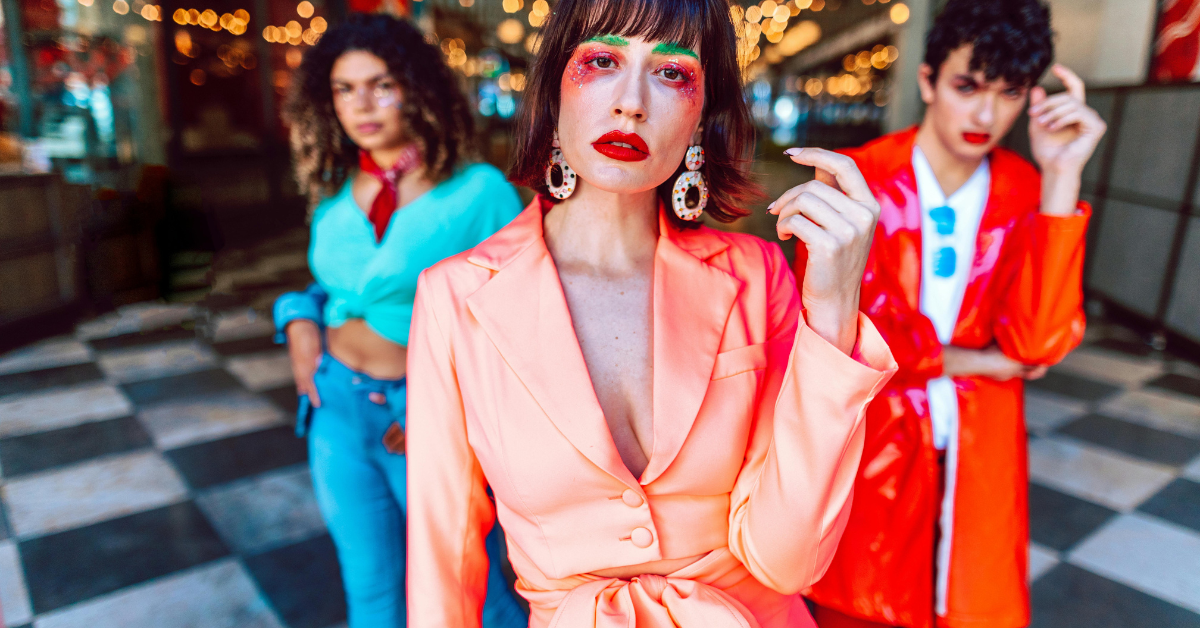
Gen Z doesn’t follow trends; they remix them. What we are seeing heading into 2026 is not just another seasonal shift; it is a cultural reset shaped by digital identity, economic reality, and a growing demand for individuality over labels.
After working with brands across the US and UK markets, one thing is clear: Gen Z shops with intention. They care about silhouette, sustainability, resale value, and how a look performs both offline and on screen.
If you are trying to understand what actually matters, what will sell, what will stick, and what will disappear as fast as it arrived, this is where clarity begins. We will break down the styles defining 2026, why they resonate, and how to wear them without looking like you are trying too hard.
What is Gen Z Fashion? The Style Revolution Defining a Generation
Gen Z fashion is not about chasing luxury logos or copying runway looks six months later. It is about control. This generation grew up with unlimited visual access and unlimited comparison, so style became a way to reclaim identity.
They mix thrifted denim with emerging designers, pair vintage sneakers with tailored pieces, and blur price points without apology. From my work with brands in the US and UK markets, the biggest shift is this: Gen Z does not dress to impress institutions.
They dress to signal values, personality, and cultural awareness. It is less about trends handed down from fashion capitals and more about micro communities shaping aesthetics in real time.
Comfort Comes First
If a piece restricts movement or feels impractical, it rarely survives in a Gen Z wardrobe. Comfort is not laziness; it is functionality. Relaxed tailoring, oversized silhouettes, technical fabrics, soft knits, and adaptable layering dominate because they match hybrid lifestyles.
Many are balancing university, remote work, side hustles, and social life in one day. Clothing needs to transition with them. Wide-leg trousers, structured hoodies, low-profile sneakers, and elevated loungewear are not trends by accident.
They reflect a generation that values ease without sacrificing polish. The brands winning here understand fit engineering and fabric quality, not just aesthetics.
Fashion as a Form of Self-Expression
For Gen Z, clothing is a language. Graphic tees reference niche memes, political stances, or underground music scenes. Accessories feel intentional rather than decorative. Hair colour changes with mood. Nothing is random.
This is a generation comfortable with curating multiple identities, sometimes simultaneously. One day minimalist, the next fully experimental. What matters is authenticity.
Forced trend adoption is visible instantly on social platforms, and it gets called out. The real power lies in mixing personal narrative with style choices, whether through DIY customisation, secondhand finds, or supporting independent designers that align with personal beliefs.
Sustainability Takes Centre Stage
Sustainability is no longer a marketing add-on. Gen Z scrutinises sourcing, labour practices, and material transparency before purchasing, especially in Tier 1 markets where climate conversations are mainstream.
Thrifting, resale platforms, clothing swaps, and capsule wardrobes are practical strategies, not just ethical statements. Brands that provide clear supply chain information and durable construction earn loyalty.
Greenwashing, on the other hand, is quickly exposed. The shift toward slower consumption does not mean less style. It means smarter buying decisions, fewer impulse purchases, and more investment in versatile pieces that can be styled multiple ways.
Gender Neutral and Inclusive Styles
Rigid fashion categories feel outdated to Gen Z. Oversized blazers, straight cut denim, relaxed shirting, and fluid silhouettes are embraced across gender lines.
The appeal is freedom, clothing is chosen for fit and aesthetic, not for which section of the store it came from. Inclusive sizing is equally important. Brands that extend size ranges and feature diverse body types in campaigns build real credibility.
This is not performative diversity. It is expected that the result is a wardrobe landscape where personal comfort and expression matter more than traditional labels.
Fusion of Cultures and Styles
Global exposure has shaped Gen Z’s taste in ways previous generations did not experience at the same scale. Korean streetwear, Scandinavian minimalism, African prints, American vintage sportswear, and British tailoring influences coexist in one outfit.
Cultural blending happens naturally through social feeds and global creators. The key difference is respect. Borrowing aesthetics without understanding context is quickly criticised.
The most resonant looks feel like informed appreciation rather than surface-level imitation. This fusion creates layered outfits that feel personal and globally aware at the same time.
The Love for Co-ord Sets and Minimal Looks
Co-ord sets have become a practical favourite because they simplify decision-making while still looking intentional. Matching knit sets, tailored two-piece outfits, and monochrome pairings deliver polish without effort.
At the same time, minimalism has evolved. It is less about stark simplicity and more about refined basics with thoughtful proportions. Clean sneakers, structured bags, neutral palettes, and subtle statement pieces define this direction.
The appeal is versatility. A well-chosen set can be styled together for impact or separated to create multiple outfits, aligning with Gen Z’s preference for efficiency and value.
The Social Media Influence
Platforms like TikTok and Instagram do not just showcase trends. They accelerate and retire them. A micro trend can explode in a week and disappear just as quickly.
Yet beneath the noise, certain aesthetics gain staying power because they tap into deeper identity shifts. Social media has also democratized influence. Independent creators often drive purchasing decisions more effectively than traditional celebrities.
For brands, this means listening closely to community feedback and understanding that authenticity outperforms polished perfection.
Digital Fashion and Virtual Styling
Gen Z is comfortable existing in both physical and digital spaces. Digital fashion skins, virtual try-ons, and augmented reality styling tools are not gimmicks to them. They are extensions of self-presentation.
Gaming environments and virtual platforms influence colour palettes and silhouettes in real wardrobes. Brands experimenting with digital capsules and virtual collaborations are building early loyalty.
The opportunity lies in blending tech with tangible value, such as interactive styling apps or digital previews that reduce return rates and improve fit confidence.
How SHREE Reflects Gen Z’s Style Spirit
SHREE reflects several Gen Z priorities through accessible design, wearable silhouettes, and an understanding of cultural nuance. While rooted in traditional influences, the brand’s contemporary cuts and coordinated sets align with the generation’s preference for versatile, expressive dressing.
The appeal lies in balancing heritage with modern comfort, offering pieces that can be styled casually or elevated depending on context. Brands that bridge tradition and present-day practicality, as SHREE attempts to do, resonate strongly with young consumers navigating both identity and global exposure.
Gen Z fashion trends
Looking at 2026 specifically, the strongest Gen Z fashion trends include relaxed tailoring, elevated basics, statement outerwear, layered jewellery, sustainable denim, and reworked vintage.
The common thread is adaptability. Pieces are chosen for how they integrate into existing wardrobes rather than how loudly they announce themselves. There is also a noticeable move toward craftsmanship details such as visible stitching, textured fabrics, and artisanal finishes.
Trend forecasting for this audience requires cultural awareness more than runway analysis. What matters is how real people style these pieces in everyday life.
Gen Z fashion brands
The brands gaining traction with Gen Z combine clear identity with transparency and community engagement. Labels like House of Sunny, Telfar, and Pangaia resonate because they offer more than product.
They stand for accessibility, inclusivity, or material innovation. Even established houses adapting to sustainability and street-influenced silhouettes are regaining relevance.
For emerging brands, the lesson is straightforward: clarity of mission, consistent quality, and genuine dialogue with your audience matter more than chasing every viral moment.
