 Skip to content
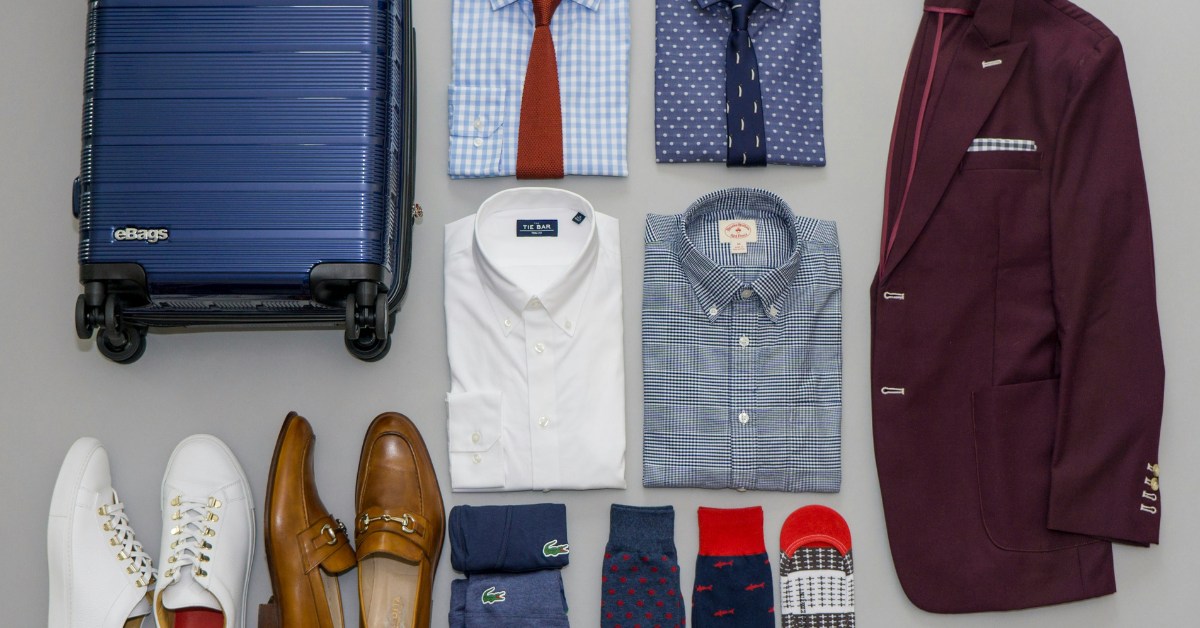
Most of the people waste time deciding what to wear every morning
You stand in front of the closet, try a few options, and still feel unsure about the final choice
A personal uniform makes that daily decision much easier
It gives you a reliable style formula that always works
The idea isn’t wearing the exact same outfit every day
It’s about creating a small set of go-to combinations that match your lifestyle and personal taste
Once you know what works for you, getting dressed becomes faster and far less stressful
In this guide, you’ll learn practical tips to build a personal uniform that feels natural and truly yours
Why You Need a Uniform
Most people think a personal uniform sounds boring
In reality, it solves one of the biggest daily frustrations which is decision fatigue
When your wardrobe has a clear formula getting dressed stops being a guessing game
You reach for pieces you already know work together and your style starts to look more consistent
The Styling Rules – 5 Steps for Creating a Personal Uniform for looking
Creating a personal uniform is not about limiting your style
Instead it gives your wardrobe a simple structure that makes daily choices easier
Once you know your favorite fits colors and clothing types
you begin to build a style formula that works again and again
Evaluate Your Lifestyle
Your lifestyle should guide your wardrobe choices first
The clothes you wear every day should match how you actually spend your time
If your routine involves commuting meetings or long hours outside
your uniform should support those activities instead of fighting against them
Start With What You Have
Before buying anything new take time to study your current wardrobe
Most people already own pieces that quietly shape their personal style
Look for the items you wear again and again because those pieces reveal what truly works for you
Building a uniform often starts by recognizing patterns in what you already love wearing
Consider Your Needs
A good personal uniform supports your real daily needs
Comfort movement and practicality matter more than appearance alone
For example if you walk often structured formal clothing may feel restrictive
However if your routine involves meetings polished basics may serve you better
Practice Discernment
Many wardrobes become cluttered because people buy clothes that look good in the moment
but do not fit their everyday style
Practicing discernment means asking whether a piece truly fits your personal formula
Over time this simple habit keeps your wardrobe focused and far more useful
Dress for Yourself
A strong personal uniform reflects your taste not someone else’s expectations
Trends change quickly but your everyday style should feel natural and comfortable
When you dress in a way that feels true to you confidence shows without effort
Clothing becomes an extension of your personality instead of a costume
A Gap Between Color Analysis and Color Seasons
Color advice often places people into strict seasonal categories
While these systems can offer guidance they do not always reflect real personal style
In practice a personal uniform works best with a small group of colors that mix easily together
Choosing shades you genuinely enjoy wearing often matters more than following rigid seasonal rules
Using Color Harmony to Get the Most Out of Your Best Colors
Color harmony makes a personal uniform look intentional instead of random
When a few colors work well together building outfits becomes much easier because most pieces naturally match
Start by choosing two or three core colors you wear often then add one or two supporting shades that blend well with them
Because these colors repeat across different pieces your outfits come together quickly and still look polished
How to Build a Wardrobe Around a Personal Style Uniform
The real secret behind a style uniform is repetition with purpose
Instead of owning many different clothing types focus on a few silhouettes that consistently work for you
Maybe that means straight leg jeans simple knit sweaters and clean sneakers
When those shapes appear again and again in your wardrobe getting dressed becomes much easier and more automatic
Organize Your Style Information in a Personalized Handbook
Many people discover parts of their style but forget the details later
A simple style handbook helps you keep track of what truly works for you
This could be a notebook or a digital folder where you collect outfit ideas colors and notes about good fits
Over time this personal guide becomes a helpful reference when you plan outfits or shop for new pieces
Uniform Ups And Downs
A personal uniform has clear benefits because it creates consistency in how you dress
Your wardrobe begins to work together with much less effort
However some people worry their outfits may feel repetitive after a while
Small changes like different layers fabrics or shoes can refresh the look while keeping the same core formula
A Strategy For Success
Building a personal uniform works best when you observe your habits over time
Notice which outfits make you feel comfortable confident and relaxed
As those patterns become clearer repeat the elements that work best
This approach slowly builds a wardrobe that feels simple reliable and easy to maintain
READ NEXT: fashion nova

1 thought on “Simple Tips On How To Create A Personal Uniform”