 Skip to content
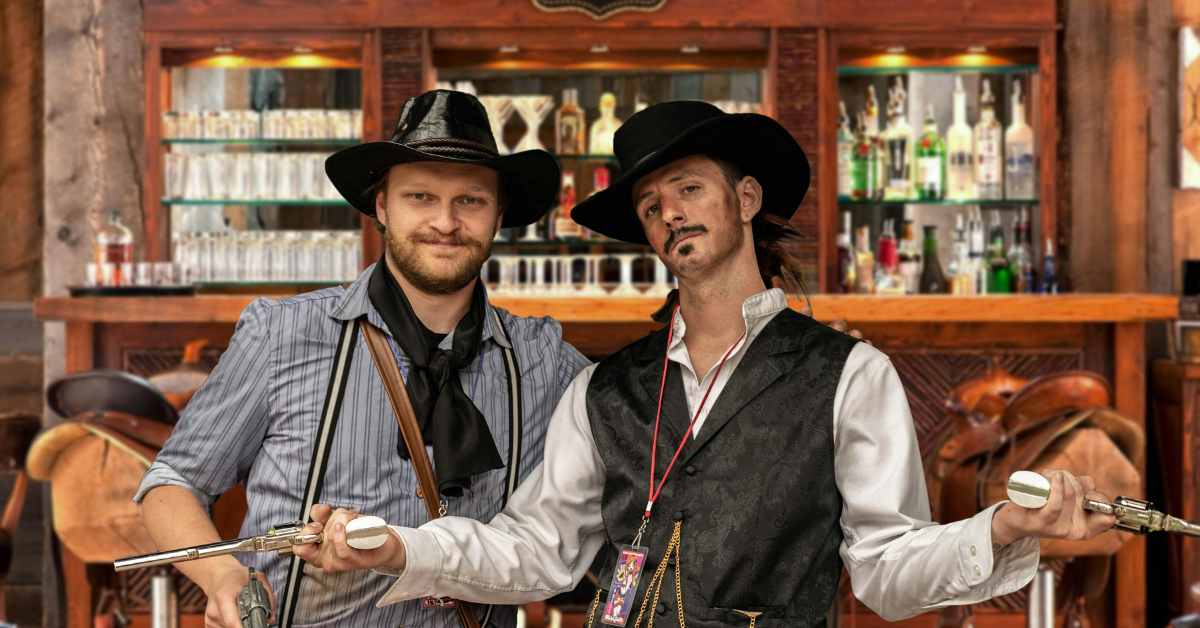
Most people think of a bolo tie and picture an old Western movie
A cowboy, a dusty saloon, maybe a sheriff pushing through swinging doors
But that thin leather cord with a metal clasp has traveled far beyond the ranch and now shows up on runways, red carpets, and in modern wardrobes that want something different from the usual necktie
If you’ve ever seen one and wondered who actually wears that or how to pull it off without looking like you’re in costume you’re not alone
This guide walks you through where bolo ties came from why they are back in style and how beginners can wear one with real confidence
Exploring Bolo Ties – Questions on Their History, Fashion, and Cultural Impact
At first glance a bolo tie looks simple just a leather cord with a sliding clasp
However the story behind it runs much deeper
People often ask where it came from who first wore it and why it still appears in modern fashion
Those questions matter because the bolo tie sits at a rare crossroads of culture and style
It carries history from the American Southwest yet designers continue to reinvent it for modern wardrobes
Understanding that journey helps beginners see why this small accessory still sparks interest and refuses to fade away
Never Underestimate the Bolo Tie, Baby
The bolo tie has a quiet kind of confidence
It does not shout for attention like a bright necktie or a flashy bow tie
Instead it signals personality and individuality
Because of that many people underestimate it at first
However once you see how it changes an outfit the appeal becomes clear
A plain shirt suddenly feels sharper and even a casual denim shirt gains character
The Origins of Bolo Ties
The bolo tie traces its roots to the American Southwest during the early twentieth century
Craftspeople began attaching decorative clasps to leather cords often using silver or turquoise from local jewelry traditions
One name often linked to its story is Victor Emanuel Cedarstaff
He was an Arizona silversmith who helped popularize the design in the 1940s
According to the story he created the sliding clasp after noticing a hatband secured in a similar way
Because the idea was simple and practical it quickly spread across Western communities
A Look Back at Bolo Ties in Fashion
Bolo ties started as regional accessories yet fashion has a habit of rediscovering overlooked items
By the mid twentieth century musicians actors and public figures began wearing them outside Western settings
As a result the accessory slowly moved from ranch wear into popular culture
Fashion editors and stylists began noticing its strong visual presence
The thin cord and bold centerpiece worked surprisingly well with tailored clothing
Therefore the bolo tie began appearing at events and in magazines beside traditional neckwear
The Cowboy Connection – Bolo Ties in Western Culture
No matter how far the bolo tie travels its strongest identity still connects to cowboy culture
Ranch workers liked it because it stayed in place while riding and working outdoors
Unlike long neckties it did not flap in the wind or get caught easily
That practicality helped it become part of everyday Western clothing
Over time it turned into a symbol of regional pride
You still see it today at rodeos country weddings and ceremonies across places like Arizona and New Mexico
Bolo Ties on the Catwalk – A Fashion Evolution
Fashion designers eventually noticed what cowboys already understood
The bolo tie carries attitude and character
Over the years it has appeared on runways from fashion houses like Ralph Lauren and Saint Laurent
Designers often pair it with sharp suits silk shirts or minimalist tailoring
This contrast makes the accessory feel both classic and modern
Because of that shift the bolo tie moved from niche accessory to statement piece
Today stylists use it when they want a polished look with a slightly rebellious edge
Anatomy of a Bolo Tie – Understanding the Basics
A bolo tie may look simple but each part plays a role in how it works and how it looks
The cord usually comes from braided leather or sturdy fabric because it needs flexibility and strength
At the center sits the slide which holds the tie in place and also acts as the visual focus
Many slides feature metalwork stones or engraved designs that give the tie its personality
At the ends you will notice small metal tips called aglets which add weight and keep the cord neat
Once you understand these parts it becomes easier to judge quality and choose a piece that feels balanced and comfortable
Types of Bolo Ties – A Guide to Styles and Symbols
Not all bolo ties look the same and the design often carries meaning
Some feature classic Western themes such as horses longhorns or turquoise stones which connect to regional heritage
Others use clean metal shapes or minimal designs that feel modern and understated
You will also find artistic versions with carved wood coins or bold gemstone slides
Because of this variety the style you choose can say a lot about your taste
A simple silver slide may suit formal outfits while a detailed stone piece often works better with casual shirts and denim
Styling with Bolo Ties – Tips for Beginners
Wearing a bolo tie well usually comes down to balance
Beginners often start with a simple shirt because the tie already acts as a statement piece
For example a plain white or chambray shirt allows the slide to stand out without competing patterns
However you do not always need a Western outfit to make it work
Many stylists pair bolo ties with tailored jackets or relaxed suits because the contrast feels fresh
The key is to keep the rest of the outfit clean and confident so the tie feels intentional rather than costume like
DIY Bolo Ties – Unleashing Your Creativity
Making your own bolo tie can be surprisingly easy and also very personal
Many people start with a leather cord and attach a slide made from an old brooch coin or carved pendant
Because the design relies on a sliding clasp the process does not require complex tools
This freedom allows you to create something unique that reflects your interests or background
A handmade piece also carries a story which often becomes a conversation starter whenever someone notices it
Caring for Your Bolo Ties – Maintenance and Preservation
Like any accessory a bolo tie lasts longer when you treat it with care
Leather cords should stay dry because moisture can weaken the material over time
If the slide uses silver or other metals gentle polishing helps maintain its shine and detail
It also helps to store the tie flat or loosely coiled so the cord keeps its natural shape
These simple habits prevent damage and keep the piece looking sharp for years especially when the slide features handcrafted work or natural stones
A Bolo Tie By Any Other Name Is Still a Bolo Tie
You may hear people call it a string tie cowboy tie or Western tie depending on the region
However the basic idea stays the same a decorative slide holding a cord at the collar
The official term became widely recognized after the design gained attention in places like Arizona where it was declared the official state neckwear
Because of that recognition the name bolo tie stuck and today it represents a distinct style rather than just another form of neckwear
READ NEXT: A Beginner’s Guide to Bolo Ties: From Cowboys to Catwalks
