 Skip to content
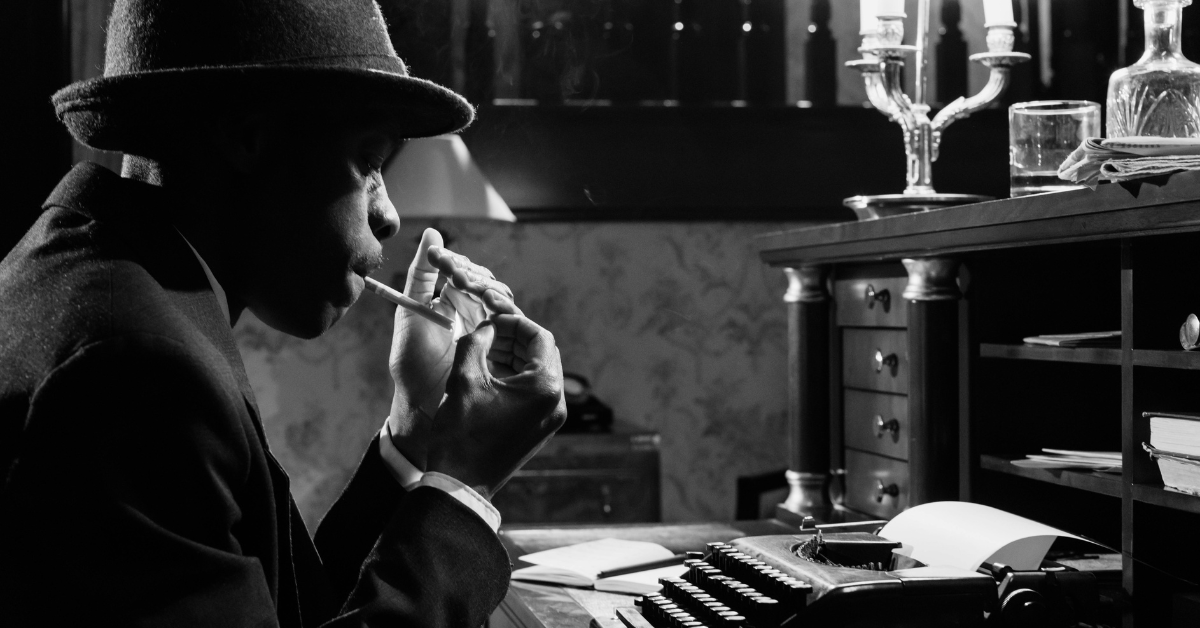
Sharp tailoring, wide lapels, and high waisted trousers defined the look of the 1930s and men dressed with confidence even during difficult economic times
Clothing from this era showed pride, structure, and quiet elegance and when you look closely you will notice something interesting because many modern menswear trends still borrow from it
That is why understanding 1930s men’s fashion still matters today since the details from drape suits to classic accessories continue to shape how men dress now
If you have ever wondered why certain cuts feel timeless or why some outfits simply work the answer often leads back to this decade and the styles and influences that made the 1930s such a lasting force in men’s fashion
1930s Men’s Fashion – A Brief Background
The 1930s were shaped by economic hardship yet men still cared deeply about how they dressed Clothing became a quiet way to hold onto dignity and confidence during uncertain times
Style leaned toward structure balance and practicality rather than flashy trends Tailors focused on strong silhouettes clean lines and garments that lasted because quality mattered more than quantity
As ready made clothing improved during the decade more men gained access to well cut suits and everyday staples and this shift helped establish many style principles that still guide menswear today
Men’s Fashion in the 1930s – Style Essentials
Suits
The suit sat at the center of a man’s wardrobe in the 1930s because it worked for business social life and formal occasions Jackets often featured wide lapels padded shoulders and a fuller chest that created a confident V shaped look
Many men preferred double breasted suits since they appeared bold and polished without feeling flashy Tailors carefully shaped the waist while allowing the jacket to drape naturally therefore the suit looked structured but still comfortable to wear throughout the day
Pants
Trousers during the 1930s looked very different from the slim fits many people know today Men wore pants high on the waist and usually supported them with suspenders instead of belts
The legs were wide which allowed easy movement and a relaxed drape from the hips down to the cuffs Pleats added extra room at the front while cuffs at the bottom helped the fabric hang cleanly so the trousers balanced the broader shape of the jacket
Shirts
Shirts formed the clean base of the outfit and simplicity played a key role Most men chose cotton shirts in white or light shades because they paired easily with suits and ties
Detachable collars were still used early in the decade although attached collars slowly became the normal choice Spread and point collars framed the face and worked well with wider ties therefore the shirt supported the overall outfit without competing for attention
Jackets & Outerwear
Outerwear served a practical purpose yet it still reflected careful style choices Long wool overcoats protected men from cold weather while maintaining a sharp silhouette
The classic Chesterfield coat remained a popular option because its clean design worked well over both formal suits and everyday clothing At the same time casual jackets began appearing more often for relaxed activities which showed that men were slowly looking for clothing that balanced style with comfort
Sweaters & Knitwear
Sweaters became an important layer during the 1930s especially in more relaxed settings V neck pullovers and cardigan sweaters paired easily with collared shirts which made them both practical and stylish
Soft wool knitwear provided warmth without adding too much bulk under jackets Sweater vests also became common because they added texture while still keeping the outfit neat and presentable
Footwear
Shoes in the 1930s focused on durability and classic design Leather Oxfords and brogues dominated everyday wear because they matched both business suits and formal outfits
Two tone spectator shoes also gained attention in social settings since they added personality while still staying within traditional style rules Thick leather soles and strong construction meant shoes lasted longer which mattered during a time when people valued dependable purchases
Why 1930s Style Still Shapes Modern Menswear
The 1930s created a strong blueprint for modern menswear because it defined how clothing should balance proportion fit and confidence Broad shoulders shaped waists and fuller trousers formed a silhouette that looked powerful yet natural
Designers and tailors often return to this era for inspiration because the core ideas still work today When modern suits feature wider lapels or higher rise trousers they quietly echo the style principles refined during the 1930s
The Materials Make the Man
Fabric choices played a major role in how clothing looked and performed during the 1930s Wool dominated suits and coats because it held its shape well and lasted for many years with proper care
Tweed and flannel also became popular since they provided warmth and texture during colder months Cotton remained the trusted choice for shirts because it felt breathable and easy to maintain
By focusing on durable materials instead of short lived trends men built wardrobes that felt practical reliable and timeless
The Accessories and Fine Details
The real character of 1930s menswear often showed up in the small details rather than the main garments Accessories helped complete the look because they added personality without overpowering the outfit
Men regularly wore silk ties pocket squares and neatly folded handkerchiefs which gave suits a polished finish A well chosen hat also played an important role since it framed the entire appearance when stepping outdoors
These finishing touches mattered because they showed care and attention therefore even a simple outfit could look thoughtful and refined
Incorporating the 30s Into Your Modern Closet
Bringing elements of 1930s style into a modern wardrobe does not mean dressing like a historical character Instead it works best when you borrow key ideas and adapt them to today’s clothing
For example choosing trousers with a slightly higher rise can improve proportions and create a cleaner silhouette A jacket with wider lapels or a softly structured shoulder can also echo the era without looking outdated
Small changes like adding a pocket square or selecting classic leather shoes help capture the spirit of the decade while keeping the outfit practical for everyday wear
Men’s Accessories in the 1930s
Accessories in the 1930s were not optional extras but essential parts of a complete outfit Hats such as fedoras and homburgs were common because men rarely stepped outside without proper headwear
Ties became wider during the decade and were often made from silk with subtle patterns Suspenders also remained popular since they supported high waisted trousers better than belts
Watches cufflinks and tie bars added another level of refinement therefore these pieces helped transform simple clothing into a well coordinated ensemble
The Lasting Effect of 1930s Style on Today’s Menswear
The influence of 1930s fashion still appears in modern menswear even when people do not realize it Designers continue to revisit the decade because the proportions feel balanced and confident
Broad lapels fuller trousers and structured jackets regularly return to fashion collections since they create a strong silhouette Classic accessories such as pocket squares and leather dress shoes also remain staples in formal wardrobes
Because these ideas were built on timeless design rather than short lived trends the style principles of the 1930s continue shaping how men dress today
