 Skip to content
Most people think a tie is just a finishing touch but the pattern you choose can quietly shape your whole look
A bold stripe can feel sharp and confident while a small dot reads calm and refined
Get it right and your outfit feels pulled together while the wrong choice feels off without knowing why
If you have ever stood in front of a mirror unsure which tie actually works with your shirt and suit you are not alone
This guide breaks down the different types of tie patterns in a simple practical way
So you can choose with confidence and avoid subtle mistakes that make an outfit fall flat
Solid Tie Patterns
A solid tie looks simple however it does a lot of heavy lifting in your outfit because it keeps everything clean and focused
It works best when your shirt or suit already has texture or pattern so nothing clashes
Also it is the safest choice for formal settings like interviews or business meetings because it feels sharp without trying too hard
For example a navy or burgundy solid tie pairs easily with most shirts and helps you look put together even on busy mornings
Striped Tie Patterns
Striped ties add direction and energy to your look therefore they feel more dynamic than plain options
The key is to balance them with your shirt because mixing stripes can go wrong fast if the widths are similar
However when you vary the scale like a wide stripe tie with a fine striped shirt it actually looks intentional and stylish
You will often see striped ties in professional settings because they signal confidence without being loud
Polka Dot Tie Patterns
Polka dot ties sit right between formal and playful so they are easy to wear in many situations
Small dots feel classic and work well in office settings while larger dots lean more casual and expressive
Also they pair nicely with solid shirts because they add just enough detail without overwhelming the outfit
If you want something safe but not boring a subtle dot tie is usually a smart choice
Paisley Tie Patterns
Paisley ties bring personality however they need a bit more care when styling because the pattern is detailed and eye catching
They work best with simple shirts and suits so the design can stand out without clashing
Also paisley often shows up in richer fabrics like silk which adds a slightly dressy feel
For example wearing a paisley tie at a wedding or evening event can make your outfit feel more refined and intentional
Floral Tie Patterns
Floral ties feel relaxed and modern therefore they are great for less formal settings or daytime events
The pattern adds color and life especially during warmer seasons
However the size and color of the flowers matter because bold prints can quickly take over your look if not balanced
Keep the rest of your outfit simple so the tie becomes the focal point without looking overdone
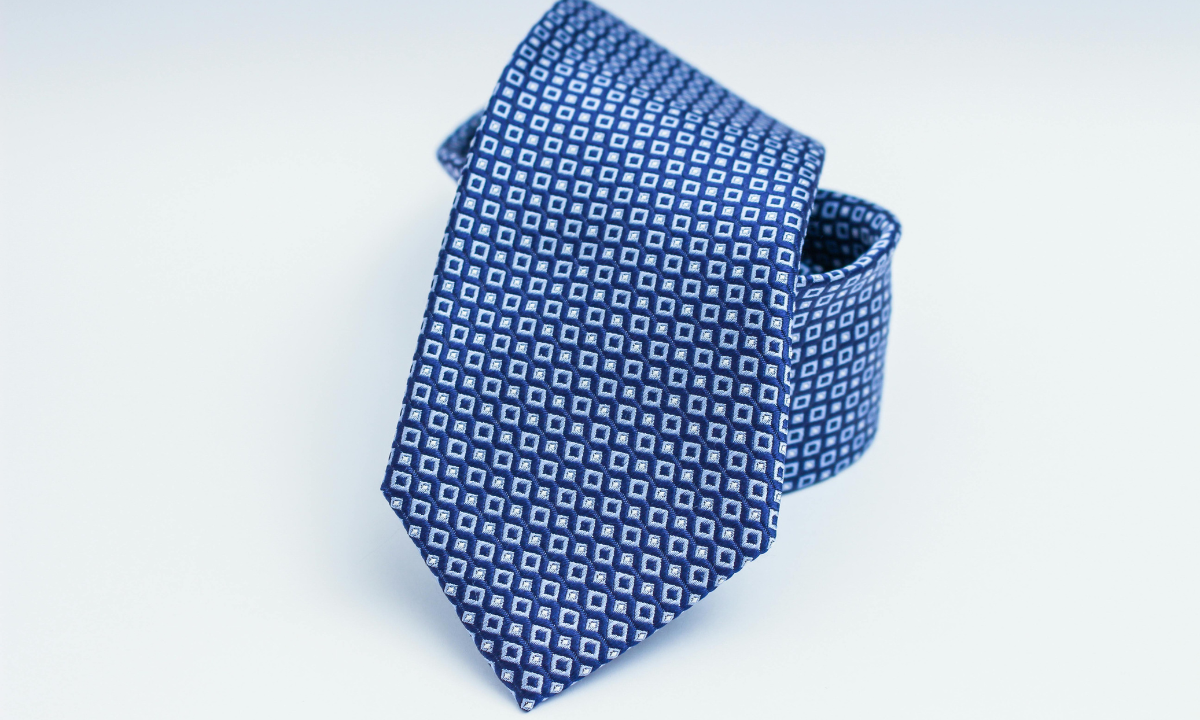
Geometric Tie Patterns
Geometric ties use shapes and lines to create a structured look and they often feel contemporary and sharp
Because of their clean design they work well in both business and smart casual outfits
Also they are easier to mix with other patterns compared to complex designs since the shapes are predictable
For example a subtle geometric tie can add interest to a plain suit without making the outfit feel busy
Novelty Tie Patterns
Novelty tie patterns are designed to stand out because they often include fun prints like symbols objects or creative themes
They work best in casual or themed settings because they add personality but can feel too informal for strict business wear
However when styled carefully with a simple shirt and neutral suit they can show confidence and a sense of humor without looking messy
For example a subtle novelty tie with small repeating icons can work for creative offices or social events where personal style matters more
Textured Tie Patterns
Textured tie patterns focus more on fabric feel than bold prints and this makes them look rich without being loud
Common textures include knitted silk wool blends or woven designs that add depth when light hits the fabric
Also they are very useful when you want a solid color look but still want something more interesting than a plain tie
For example a knitted navy tie can make a simple white shirt feel more stylish without adding visual noise
How to Choose the Right Tie Pattern for Every Occasion
Choosing the right tie pattern depends on where you are going and how formal the setting is so context matters more than personal taste alone
Solid and striped ties usually work best for business meetings because they feel controlled and professional while paisley or floral ties fit better in social events
However you should also think about your shirt pattern because mixing busy designs can quickly make your outfit look confusing
A good rule is to keep one strong pattern and let everything else stay simple so your look stays balanced and clean
Common Mistakes to Avoid When Wearing Tie Patterns
One common mistake is mixing too many patterns at once because it creates visual noise and makes the outfit hard to read
Also many people ignore scale which means wearing a small patterned tie with a small patterned shirt and this often clashes even if the colors match
Another issue is choosing a bold tie for a serious setting where it can feel out of place and distract from your overall presence
Instead focus on balance and let your tie support your outfit rather than compete with it
Mastering Tie Patterns with Stylevvo
Mastering tie patterns is really about understanding balance color and occasion so you can choose with confidence instead of guessing
Once you learn how each pattern behaves you start to see how small changes can completely shift your style from casual to formal or from simple to expressive
Also consistency helps because building a small collection of reliable tie patterns makes dressing easier every day
With the right approach you can use tie patterns not just as accessories but as a smart way to shape your personal style
