 Skip to content
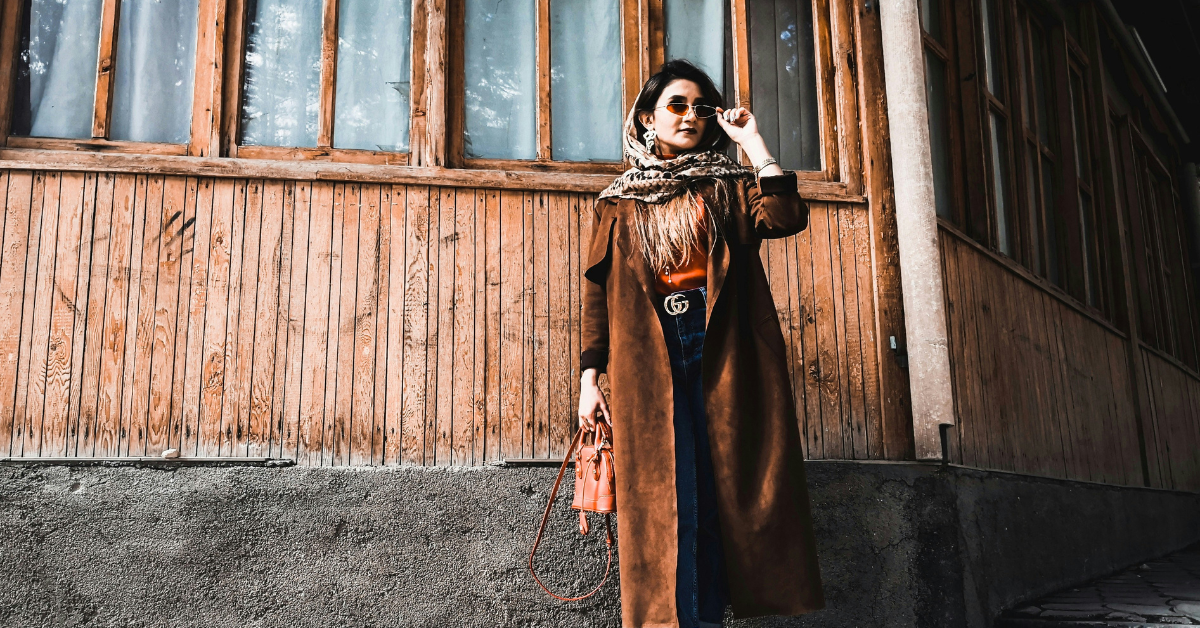
Every winter, I notice the same pattern closets full, nothing to wear. Not because there aren’t enough clothes, but because most of them don’t work together or worse, don’t work for real winter.
After fifteen years of building wardrobes for clients across New York, London, and Toronto, I’ve learned that a true winter capsule isn’t about minimalism for its own sake. It’s about precision. Fabric weight. Proportion. Layers that actually perform when the temperature drops.
For 2026, I’ve refined my own capsule with sharper tailoring, smarter textures, and pieces that transition from weekday meetings to weekend dinners without costume changes. If you’re tired of impulse buys and underwhelming outfits, this is where strategy replaces guesswork.
Staple Tops
Winter 2026 is about controlled layering, not bulk. My core rotation starts with three categories: a heavyweight cotton long sleeve tee, a fine gauge merino knit, and a structured sweater with architectural shape.
The long sleeve tee works as a base under tailoring without adding volume. The merino knit is thin enough to slide under a blazer but warm enough to stand alone indoors.
Then there is one statement knit, usually in a neutral like charcoal or deep oat, with subtle texture that elevates simple denim. I focus on fabric integrity over trend. If it pills after two wears, it does not belong in a capsule.
Staple Jeans, Pants + Skirts
Fit matters more in winter because heavier fabrics exaggerate proportion. My denim this season leans toward a straight leg with a true mid rise, structured but not rigid.
For trousers, I rely on one tailored wool pant in black or deep navy and one relaxed wide leg option that allows room for thermal layers underneath. Skirts stay midi length, ideally in wool or a dense ponte that holds shape with boots.
The key is balance. If the top is oversized, the bottom anchors it. If the trousers are wide, the knit is refined. Every piece must create at least three distinct outfits without effort.
Staple Outerwear
Outerwear does most of the visual work in winter, so I invest here. My capsule includes a tailored wool coat with strong shoulders, a practical insulated parka for real weather, and a shorter jacket that works for driving or city errands.
Length and structure are intentional. A knee length coat elongates everything beneath it, even casual denim. I avoid overly trendy silhouettes because coats are long term investments.
Fabric weight, lining quality, and hardware durability are non negotiable. If the coat does not hold its shape on a hanger, it will not hold it on your body.
Staple Shoes
Cold weather exposes poor footwear decisions quickly. I keep three core pairs: a leather ankle boot with a solid sole, a sleek knee high boot for skirts and dresses, and a clean minimalist sneaker for travel days.
Traction matters more than aesthetics in icy climates, but that does not mean sacrificing design. I look for leather that softens over time rather than cracks, and soles that can handle wet pavement without looking orthopedic.
Shoes ground an outfit. If they feel practical but polished, the rest of the look falls into place.
Staple Accessories
Accessories in winter are not decorative afterthoughts, they are functional tools. A structured leather tote that fits gloves and a scarf without collapsing is essential.
I rotate between a cashmere scarf in a neutral tone and one deeper accent shade for contrast. Gloves are leather lined with wool, not synthetic. Even small upgrades change how an outfit feels.
Jewelry stays minimal in winter because layers already create visual weight. A watch or simple gold hoops are enough. The goal is cohesion, not noise.
What I’m Actually Packing From My Winter Capsule This Holiday Season
Holiday travel demands restraint. I pack one coat that works with every outfit, usually the tailored wool option, and build around a tight palette so everything coordinates. Two knits, one pair of jeans, one tailored trouser, and a versatile skirt create more combinations than most people expect.
Shoes are limited to boots and sneakers. I avoid packing event specific pieces unless absolutely necessary. Instead, I rely on styling shifts, knit tucked differently, boots swapped for heels, a bold lip instead of extra clothing. A capsule only works if it performs outside your closet.
Cozy Winter Jeans Outfit
On slower days, I reach for straight leg denim, a soft merino knit, and ankle boots. The difference between average and elevated is proportion.
I slightly front tuck the knit to define the waist and add a structured coat on top. Texture does the work here. Wool against denim, smooth leather boots against knitwear. It feels effortless, but it is considered. Comfort does not mean oversized everything. It means intentional ease.
Cute Winter Brunch Outfit
For brunch, I lean feminine but practical. A midi skirt with knee high boots, topped with a fitted knit and long wool coat. The skirt moves, the boots stabilize, and the coat sharpens the silhouette.
I keep colors soft in daylight settings, camel, cream, muted grey. Accessories stay understated. The look feels polished without looking like you tried too hard. That balance is the point.
Casual Winter Dinner Outfit
Dinner calls for slightly stronger lines. Tailored trousers paired with a fine knit and structured blazer create quiet confidence. I often choose monochrome for evening because it elongates the frame and photographs well under low light.
Ankle boots with a subtle heel complete it. This outfit works whether you are at a neighborhood bistro or a downtown restaurant. It reads intentional, not overdressed.
Easy Holiday Party Outfit
Holiday parties are where many wardrobes fall apart. I avoid novelty pieces and instead elevate staples. A sleek black midi skirt with a fitted knit and statement earrings feels modern and refined.
If sparkle appears, it is controlled, perhaps in the fabric weave or accessories, not head to toe. Layering remains practical because you will likely be moving between indoors and outdoors. The goal is festive, not costume.
Polished Winter Night Out Outfit
For a night out, I sharpen everything. Tailored black trousers or a streamlined skirt, a structured top with subtle detail, and a strong coat worn confidently. Heeled boots add height without compromising comfort.
Makeup and hair carry more impact here than extra clothing. When the base wardrobe is disciplined, styling becomes simple. That is the advantage of a well built winter capsule.
Frequently Asked Questions
1. How many pieces should a realistic winter capsule wardrobe include?
For most people in Tier 1 climates, 25 to 35 pieces is practical. That includes outerwear, shoes, and occasion wear. Fewer than that can feel restrictive in cold regions. More than that usually signals duplication rather than intentional variety.
2. How do I adapt a winter capsule for very cold climates like Canada or the Northern US?
Prioritize insulation and layering space. Choose coats that accommodate knits underneath and boots with proper traction. Thermal base layers are essential. Fabric weight matters more than silhouette when temperatures drop below freezing.
3. Is investing in expensive outerwear really worth it?
Yes, if you choose carefully. A well made wool coat or insulated parka can last five to ten years. In cities like London or Chicago, you wear it daily for months. Cost per wear quickly justifies the investment.
4. How do I avoid looking repetitive with fewer winter pieces?
Focus on texture and styling shifts rather than adding more clothes. Tuck differently, layer creatively, swap boots for heels, change accessories. Monochrome one day, contrast the next. Variation comes from composition, not volume.
5. Can a winter capsule work for both office and casual settings?
Absolutely, but tailoring is key. Choose trousers that work with both knits and blazers. Structured coats elevate denim instantly. The goal is flexibility through clean silhouettes rather than strictly formal or casual categories.
6. What fabrics hold up best during heavy winter use?
Merino wool, cashmere blends, high quality cotton, and structured wool coatings perform well. Avoid thin acrylic knits that pill quickly. In snowy or wet cities, treated leather footwear also outperforms synthetic alternatives long term.
7. How often should I refresh a winter capsule wardrobe?
Review it annually, replace selectively. Shoes and base layers wear out fastest. Coats and tailored trousers should last several seasons if cared for properly. Refresh when fit changes or quality declines, not because trends shift.
8. What is the biggest mistake people make when building a winter capsule?
Buying for aesthetic instead of climate. A beautiful coat that cannot handle rain or wind becomes impractical fast. Function should lead design decisions, especially in cities with unpredictable winter weather.
9. How do I balance trend pieces with long term staples?
Limit trends to one or two items per season. Keep core pieces classic and neutral. That way, if a trend fades, the wardrobe still functions. This prevents the capsule from feeling dated within a year.
10. Is a capsule wardrobe realistic for frequent holiday travel?
Yes, if you build around a tight color palette. Pack one coat that works with everything and limit shoes. Versatile pieces styled differently handle most occasions without overpacking or sacrificing polish.
