 Skip to content
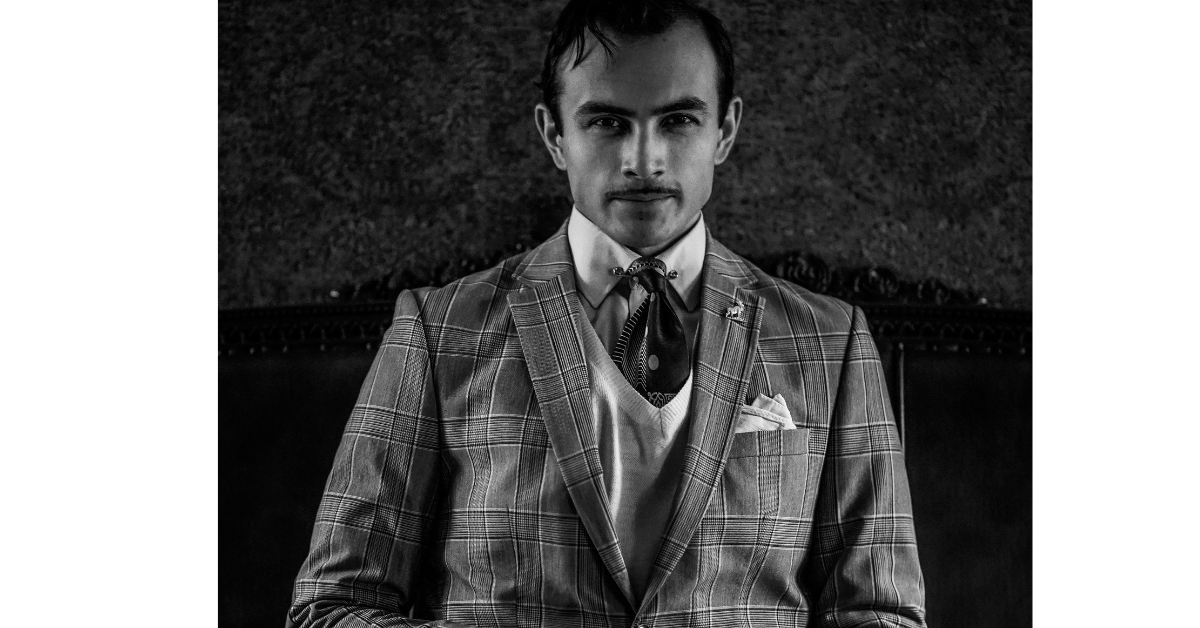
The 1920s did not just change music and nightlife; they quietly reshaped how men presented themselves to the world. Suits became sharper, trousers sat higher, and details mattered.
For many modern men, though, “1920s style” gets reduced to costume party clichés or Peaky Blinders imitations. That misses the point entirely, and the real appeal of 1920s menswear lies in its structure, proportion, and quiet confidence, principles that still influence tailoring today.
If you are drawn to the era but unsure how to wear it without looking theatrical, you are not alone. Understanding the fabrics, cuts, and social context behind the clothes makes all the difference.
This guide breaks down what defined 1920s men’s fashion and how to interpret it with authenticity and modern relevance.
What men really wore in the Roaring 20s
Forget the exaggerated gangster costumes. The average man in the 1920s wore structured wool suits in navy, charcoal, brown, and muted pinstripes.
Trousers were high-waisted and fuller through the leg, jackets were tailored but not tight, and layering was standard. Most men owned fewer garments than we do today, but what they had was well-made and worn properly.
Clothing signalled respectability and ambition. Even working-class men aimed for polish when possible. The era valued presentation, and that mindset shaped every outfit choice from weekday business to Sunday best.
How did men’s fashion change in the 1920s?
The 1920s marked a clear shift from the rigid Edwardian silhouette to something more relaxed yet still refined. Jackets softened slightly in structure,
trousers widened, and higher waistlines visually lengthened the leg. After World War I, formality loosened. Men embraced lighter fabrics, bolder patterns, and sport-influenced pieces that allowed movement.
The decade also normalized ready to wear tailoring, making style more accessible beyond the wealthy elite. It was not rebellion for the sake of rebellion. It was evolution driven by social mobility, economic growth, and a new appetite for modern identity.
The Roaring 20s, A Quintessential Era of Men’s Style
There is a reason designers still reference this decade. The 1920s balanced elegance and practicality in a way few eras have managed. Proportion was thoughtful. Layers created depth without bulk.
Details were intentional but restrained. This was the moment when masculinity was expressed through grooming, tailoring, and subtle individuality rather than excess decoration.
It set the blueprint for the modern suit. When you look at contemporary tailoring in London or New York, the bones of the 1920s structure are still there, just streamlined for today.
Incorporating the 20s Into Your Modern Closet
Wearing the 1920s today is about interpretation, not reenactment. Start with proportion. A higher rise trouser instantly nods to the era without feeling theatrical.
Add a textured wool vest under a modern suit for depth. Choose earthy tones like tobacco, forest, and deep navy instead of bright contemporary hues. The key is restraint.
One or two elements are enough. Done well, the look feels intentional and sophisticated. Done poorly, it feels like a costume. Focus on fit, fabric, and subtle layering rather than obvious period pieces.
Shirts, Jackets, Pants, Vests, Outerwear
Shirts were typically cotton with detachable collars early in the decade, gradually shifting to attached collars as manufacturing improved. Jackets featured structured shoulders and a defined waist, often with peak or notch lapels.
Pants sat high on the natural waist and were cut fuller through the thigh, sometimes finished with cuffs. Vests were common, adding visual structure and warmth. Outerwear mattered too.
Long wool overcoats and belted trench styles completed the silhouette. Each piece worked together to create vertical balance, something many modern slim fits have quietly lost.
Men’s Accessories Emerge in the 1920s
Accessories became less about utility and more about personal expression. As suits standardised, small details carried personality. Men paid attention to coordination without matching too precisely.
This is when the idea of finishing an outfit gained cultural traction. Accessories signalled social awareness and taste. A man who understood how to choose the right tie or carry the right hat demonstrated discernment.
That mindset still applies. The right finishing pieces elevate an otherwise simple outfit into something considered.
Hats, Pocket Squares, Watches, Eyewear, Ties
Hats were not optional. Fedoras, homburgs, and flat caps were everyday essentials depending on the social setting. Pocket squares added contrast and texture, rarely folded into sharp modern points but arranged with relaxed elegance.
Wristwatches gained popularity after the war, replacing pocket watches for practicality. Round eyeglasses with thin metal frames were common among professionals.
Ties ranged from conservative stripes to geometric Art Deco patterns. None of these items screamed for attention. They complemented the outfit and reinforced the man wearing it.
A Man’s Right To Shoes in the 1920s
Shoes carried weight. Oxfords dominated formal settings, often in black or rich brown calfskin. Two-tone spectator shoes emerged for leisure and sport, especially in urban centres.
Boots were still common for work and colder climates. Quality leather and proper shine were expected. Footwear grounded the outfit, literally and visually. The mistake today is treating shoes as an afterthought.
In the 1920s, scuffed or ill-fitting shoes could undermine an otherwise polished look. That principle has not changed.
Men’s Formal Dress in the 20s
Formalwear in the 1920s followed strict codes. Evening events required a black tie with a tuxedo jacket featuring satin lapels, high-waisted trousers, and a crisp white shirt.
White tie remained for the most elite occasions, complete with tailcoat and waistcoat. Fit was precise but not restrictive. Accessories were minimal and intentional.
There was confidence in simplicity. When modern men approach formalwear with this mindset, avoiding trends and focusing on proportion and fabric, the result feels timeless rather than dated.
Casual Menswear in the 20s
Casual did not mean careless. Knitwear, patterned sweaters, plus fours for sport, and lighter jackets entered everyday wardrobes. Golf and leisure culture influenced off-duty style, especially in the United States and Britain.
Fabrics softened, colours lightened, and silhouettes allowed movement. This shift laid the foundation for smart casual as we understand it today. Even at ease, men maintained structure. The lesson here is balance. Relaxed does not require sloppy. The 1920s understood that instinctively.
How 1920s Style Still Shapes Modern Menswear
Modern tailoring, high-rise trousers returning to designer collections, textured wool fabrics, and the revival of classic accessories all trace back to this decade.
The 1920s normalised the suit as daily armour while introducing flexibility in how it could be worn. That duality still defines menswear in tier one fashion capitals.
When you understand the origin of these details, your style choices become intentional rather than trend-driven. And that is the real legacy of the era.
Frequently Asked Questions
1. How can I wear 1920s style without looking like I am in costume?
Focus on proportion rather than theatrics. Choose high-rise trousers, textured fabrics, or a vest under a modern suit. Avoid full period combinations like pocket watches and suspenders together. One or two subtle elements feel intentional. Head-to-toe reenactment rarely translates well outside themed events.
2. Are high-waisted trousers flattering for modern body types?
Yes, when tailored correctly. A higher rise visually lengthens the legs and defines the waist, especially helpful for men with longer torsos. The key is a proper fit through the seat and thigh. Too tight looks forced, too loose looks dated. Alterations make the difference.
3. What fabrics from the 1920s are still practical today?
Wool, tweed, flannel, and heavy cotton remain highly practical, particularly in cooler climates like the UK or the Northern US. These fabrics drape well and age gracefully. Lightweight tropical wool works in warmer regions. Quality natural fibres outperform most synthetics over time.
4. Is three-piece tailoring appropriate for modern workplaces?
In finance, law, or formal corporate settings, absolutely. In creative or tech industries, it may feel overdressed. A vest can be powerful in client-facing roles where authority matters. Context matters more than trend. Observe your workplace culture before committing.
5. How expensive is it to build a 1920s-inspired wardrobe?
You do not need a full overhaul. Start with one quality suit and rotate shirts and ties. Expect to invest more upfront in tailoring and leather shoes, but those pieces last for years. Vintage options can reduce cost, though alterations are often required.
6. Were two-tone spectator shoes common, and can I wear them today?
They were popular in leisure settings, especially in urban America. Today, they are best reserved for summer events, garden parties, or creative environments. In conservative workplaces, stick to solid leather Oxfords or Derbies. Spectators make a statement, so wear them deliberately.
7. What is the difference between 1920s formalwear and modern black tie?
The core structure is similar, but 1920s trousers sat higher, and jackets had a slightly fuller cut. Accessories were restrained and precise. Modern slim fits often shorten the jacket length. If you want authenticity, prioritise proportion over trendy tailoring.
8. Can shorter men pull off 1920s silhouettes?
Yes, especially because high-rise trousers elongate the lower half. The mistake is oversized jackets or excessively wide legs. Keep the lapel width balanced and ensure the jacket length aligns properly with your height. Precision tailoring is more important than era accuracy.
9. How did casual menswear in the 1920s influence today’s smart casual?
The decade introduced knitwear, sport coats, and patterned sweaters as respectable off-duty options. That blend of polish and comfort is the foundation of modern smart casual. Think tailored trousers with knitwear rather than denim and hoodies for a refined interpretation.
10. Are vintage 1920s garments wearable, or are they too fragile?
Original pieces can be delicate due to fabric ageing and construction methods. They are better suited for occasional wear or collection. If you want durability, opt for modern reproductions made with stronger stitching and contemporary lining while preserving the classic silhouette.
