 Skip to content
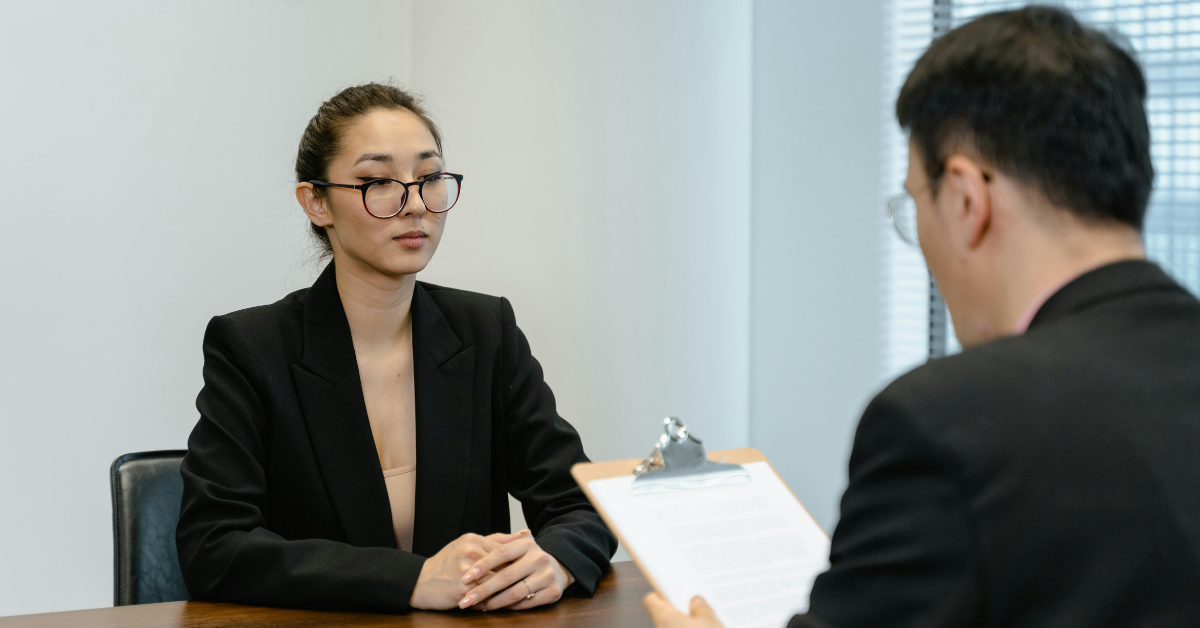
Walking into an interview in 2026 feels different It’s not just about looking “professional” anymore it’s about reading the room
Some companies expect sharp tailoring Others lean casual almost relaxed
That grey area is where most people get stuck You don’t want to look overdressed but showing up too casual can cost you the role before you even speak
That’s exactly why what you wear matters more than ever The right outfit signals confidence awareness and effort without saying a word
In this guide you’ll find clear practical outfit ideas that actually fit today’s workplace from formal interviews to smart casual settings
So you can walk in feeling prepared not unsure
Why Your Interview Outfit Matters in 2026
First impressions still happen fast but the rules have shifted a bit People now judge not just how polished you look but how well you understand their work culture
Because of that your outfit becomes a signal It shows awareness effort and confidence before you even speak
Also hiring managers often read details like fit color and styling to guess how seriously you take the role Therefore choosing the right outfit is less about dressing up and more about dressing right for that specific environment
Understanding Dress Codes Formal vs Business Casual vs Casual
Not all interviews expect the same look and this is where many get it wrong Formal usually means structured pieces like suits blazers and tailored trousers because the role demands a polished image
However business casual sits in the middle where you can relax slightly with softer fabrics or less rigid styling while still looking put together
Casual interviews are more flexible but that does not mean careless you still need clean well fitted outfits that show intention Therefore understanding the difference helps you avoid being overdressed or underprepared
Best Formal Interview Outfits for Women in 2026
Formal interviews still favor sharp clean lines but in 2026 the styling feels lighter and more modern A well fitted blazer with tailored trousers or a knee length skirt works because it looks strong without feeling stiff
Also neutral tones like black navy or soft beige keep the focus on you rather than the outfit
Closed toe shoes minimal jewelry and a structured bag complete the look However avoid anything too trendy or loud because formal settings value consistency and professionalism over fashion statements
Business Casual Interview Outfit Ideas That Work
Business casual gives you more room to express personal style but balance is key For example you can pair a blouse with tailored pants or a simple midi dress with a light blazer because it feels polished yet approachable
Also fabrics matter soft structured materials look better than overly relaxed ones
Therefore think of outfits that look intentional but not strict like smart flats low heels and subtle accessories that add detail without distraction
Casual Interview Outfits That Still Look Professional
Casual interviews can feel tricky because the line between relaxed and careless is thin You might choose dark jeans with a neat top or a simple dress with clean sneakers because comfort matters in these settings
However everything should still look fresh well fitted and appropriate
Avoid overly distressed denim loud prints or anything that feels too laid back Therefore even in a casual setting your outfit should quietly show that you respect the opportunity and understand the environment
Seasonal Interview Outfit Guide Spring Summer Fall Winter
What works in one season can feel completely wrong in another so adjusting your outfit matters more than people think In spring and summer lighter fabrics like cotton or linen blends help you stay comfortable while still looking sharp
However you should keep colors soft and professional rather than too bright In fall and winter layering becomes important because it adds warmth and structure
A tailored coat or knit over a clean outfit works well Therefore the goal is to match the weather without losing that polished interview look
Trending Interview Fashion for Women in 2026
Interview style in 2026 feels more relaxed but still intentional Structured pieces are softer now for example blazers come with lighter fabrics and easier fits because comfort plays a bigger role
Also neutral tones still lead but warmer shades like soft brown muted green and off white are showing up more often
However trends should guide you not control you so it is better to choose updated basics rather than bold fashion pieces Therefore you stay current without risking a distracting look
Accessories Shoes and Grooming Tips for Interviews
Small details often make a bigger impact than the outfit itself because they show how much attention you give to your overall appearance Simple accessories like a watch or small earrings work better than anything loud or oversized
Also shoes should be clean comfortable and match the outfit whether you choose flats low heels or polished loafers
Grooming matters just as much neat hair subtle makeup and clean nails create a finished look Therefore everything should feel clean balanced and intentional without trying too hard
How to Build a Versatile Interview Wardrobe
A smart interview wardrobe does not need many pieces but it does need the right ones Start with basics like a well fitted blazer tailored pants a simple dress and a few neutral tops because these can mix easily across different interview types
Also choose colors that work together so you can create multiple outfits without overthinking
However focus on fit and quality over quantity because one good outfit always beats several average ones Therefore building a small flexible wardrobe saves time reduces stress and helps you show up confident every time
READ NEXT: Ultimate shirt dress fabrics
