
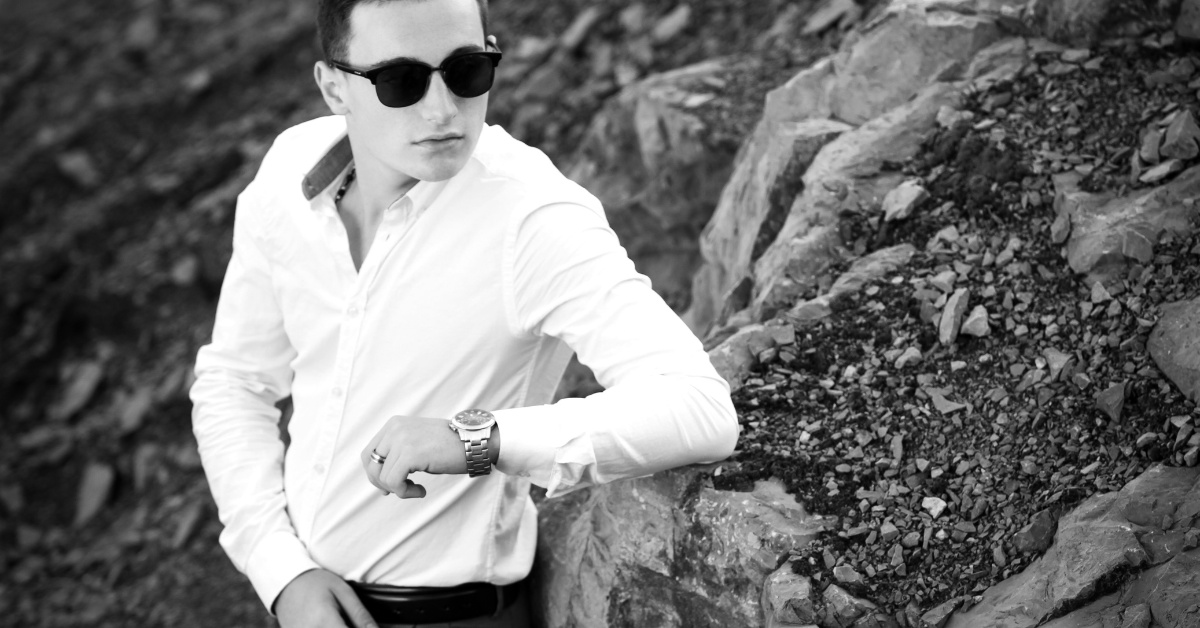
Most people picture the 1940s as all suits hats and old movie stars but that’s only part of the story
Real men dressed for long workdays with limited clothing options
They also lived in a world shaped by wartime rules
Style wasn’t about trends
It was about making a few pieces last and adapting to what was available
This guide focuses on what men wore in real life during the 1940s not just the polished looks seen on screen
We’ll break down the real outfits fabrics and choices that defined the decade
So you can understand the style and take a few ideas from it
What Men Wore In The 1940s: Hats
Hats were not optional back then
They were part of getting dressed and walking out the door
Most men owned at least one felt fedora because it worked with both suits and simple workwear
However wider brims slowly narrowed as fabric restrictions came in
Styles became more practical over time
You would also see flat caps for casual days because they were easier to wear and cheaper to maintain
If you’re trying this look today a structured fedora adds polish
A flat cap keeps things relaxed and real
Style Essentials of the 1940s
Clothing in the 1940s had a clear purpose
That shaped how men dressed every day
Because of wartime rationing garments used less fabric
Jackets had narrower cuts and fewer details
However high waisted trousers stayed popular because they were comfortable and easy to pair
Men often wore suspenders instead of belts
It gave a cleaner line under jackets
If you want to borrow from this era focus on fit first
Structured shoulders clean lines and simple combinations always worked
Hairstyles and Facial Hair
Hair in the 1940s was neat controlled and very intentional
Appearance mattered even during tough times
Most men kept their hair short on the sides with more length on top
They styled it with pomade for a smooth finish
However overly dramatic styles were rare because practicality came first
Clean shaven faces were the norm especially in military settings
Small mustaches did appear in civilian life
To recreate this today keep your haircut tidy
Use light product and avoid anything too messy
Shirts
Shirts were simple but did a lot of work in an outfit
Layering was common during that time
Most shirts were made from cotton
They came in solid colors or subtle stripes
Bold prints were less common
However collars were firm and structured
This helped maintain a sharp look even without a tie
Men usually tucked shirts into high waisted trousers
This created a clean balanced silhouette
If you’re styling this now go for classic button downs
Avoid anything overly slim or oversized
Eyewear
Eyewear leaned more toward function than fashion
However it still shaped a man’s overall look
Glasses often had round or slightly oval frames
Designs stayed simple because materials were limited
Metal frames became popular because they were durable and light
Many men wore them daily not just for reading
They became part of personal style
If you want this look today go for thin classic frames
Avoid anything overly trendy
Neckwear (Ties & Bow Ties)
Neckwear added personality to simple outfits
Most clothing stayed neutral during that time
Ties were usually wider with bold or subtle patterns
They helped break up plain shirts
However bow ties were also common especially for formal settings
They offered a neat compact look
Men didn’t overthink it they wore what worked
If you’re styling this now choose a slightly wider tie
Or go for a simple bow tie for a sharper touch
Sweaters & Knitwear
Sweaters were practical layers
They added warmth without needing a full jacket
Most were made from wool
Common styles included crewnecks and cardigans
They were easy to wear over shirts
However heavy patterns were less common
Clothing had to last longer so function came first
Cardigans were especially useful indoors
You could take them off easily
If you want this look today stick to neutral knitwear
Avoid overly bulky fits
Waistcoats (Vests)
Waistcoats were part of daily dressing
Not just formal wear
They added structure without extra bulk
Men wore them under jackets or on their own
This created a clean put together look
However designs were simpler due to fabric limits
You didn’t see much extra detailing
Fit mattered more than decoration
It shaped the entire outfit
If you’re adding one today choose a well fitted vest
It should sit close to the body
Suits & Odd Jackets
Suits in the 1940s were practical and durable
They were shaped by rationing rules
Jackets had structured shoulders and cleaner lines
There were fewer pockets and less extra fabric
However odd jackets became more common
Men mixed pieces instead of owning full suits
This made outfits more flexible
Double breasted styles still existed
But single breasted became more practical
If you want this look focus on tailored fits
Mix jackets with different trousers for a natural style
Trousers (And A Word About Zoot Suits)
Trousers sat high on the waist
They had a fuller cut through the leg
Comfort and movement mattered
Pleats were common
They added room and helped the fabric fall better
However wartime rules reduced excess fabric
Styles became more practical over time
At the same time zoot suits stood out
They had wide legs long jackets and bold shapes
If you’re adapting this today choose high waisted trousers
Keep the fit relaxed but clean
Footwear: Also Rationed
Shoes followed the same restrictions as clothing
Leather and materials were limited
Most men owned a few reliable pairs
Simple lace up oxfords were common
So were sturdy work shoes
However flashy designs were rare
Durability mattered more than style
Men repaired shoes instead of replacing them
Shoe care was a normal habit
If you want this approach today choose well made classics
They should last and work with multiple outfits
Accessories (Tobacco Products, Watches, Jewelry & More)
Accessories were small but meaningful
They added personality without extra clothing
A simple wristwatch was very common
It showed reliability and function
However jewelry stayed minimal
Most men wore rings or tie bars
Bold pieces were rare
Tobacco items like cigarette cases and lighters were common
They were part of daily habits
If you’re taking inspiration today keep accessories simple
Focus on practical and intentional choices
check out:everyday-outfit-ideas-for-summer-2026-moms-will-love