 Skip to content
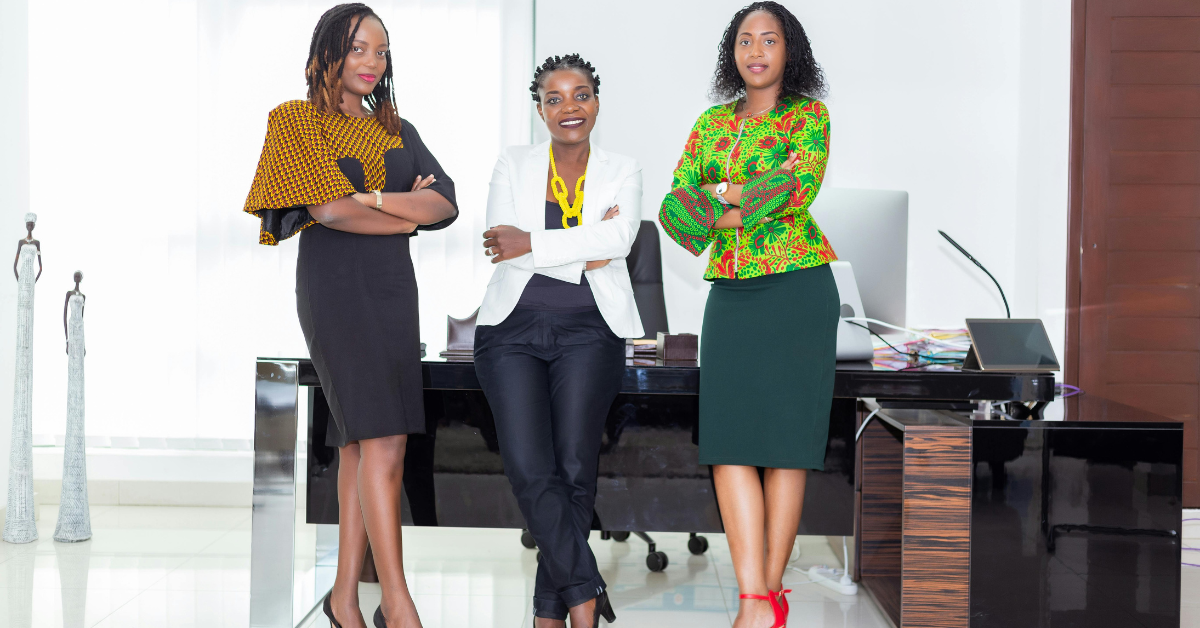
The workday rarely ends when the clock hits five and some evenings turn into last minute dinners networking events or casual parties with coworkers
Heading home just to change clothes is not always practical and that is where smart casual outfits make life easier
The right look keeps you polished during meetings and still relaxed enough for whatever the evening brings
A well cut blazer sharp trousers or clean sneakers can change the mood of an outfit and help you move from office hours to after work plans without missing a beat
Introduction to Smart Casual Workwear That Transitions Seamlessly
Smart casual workwear sits in the sweet spot between formal office clothing and relaxed evening style and it works well because the pieces feel polished during the day but still look appropriate once work ends
Many people face the same situation when a meeting runs late and suddenly there is a dinner invitation or casual party
Instead of changing outfits you simply adjust a few details such as removing a blazer rolling a sleeve or switching shoes which makes the outfit shift naturally from work to evening plans
1: Blazer + Silk Camisole + Tailored Trousers
This outfit works because it balances structure and softness in a very natural way and a blazer adds authority which helps the look feel appropriate for meetings presentations and everyday office tasks
The silk camisole softens the outfit while tailored trousers keep the silhouette clean and sharp
During the day keeping the blazer buttoned with classic pumps or loafers maintains a professional appearance however in the evening opening the blazer adding statement heels or bold earrings changes the mood without needing a full outfit change
2: Midi Dress with Structured Jacket
A midi dress often becomes one of the easiest pieces to move between work and social settings because the length feels polished enough for daytime while still looking stylish after work
Adding a structured jacket keeps the outfit balanced and intentional during office hours
However once the day ends removing the jacket instantly relaxes the look and adding statement accessories or heeled boots gives the outfit more personality which allows the same dress to work in both settings
3: Button Down Shirt + Dark Jeans + Heels
A crisp button down shirt paired with dark jeans offers a modern smart casual combination that blends professionalism with comfort
The shirt keeps the outfit structured while dark denim prevents the look from feeling too formal
During the workday tucking the shirt neatly and choosing classic heels or sleek flats creates a clean silhouette however in the evening rolling the sleeves adding layered jewelry or switching to statement heels brings more energy to the outfit without losing its polished feel
4: Pencil Skirt + Knit Top + Statement Shoes
A pencil skirt paired with a knit top creates a balanced outfit that feels professional yet comfortable for a full workday
The fitted skirt keeps the look structured while the knit top softens the outfit and makes it feel less formal which works well in many office environments
However the real transition happens with the shoes because statement heels or bold ankle strap pumps instantly add personality therefore the same outfit that works for meetings during the day can easily feel ready for an evening gathering or casual party
5: Jumpsuit with Minimal Accessories
A well tailored jumpsuit can simplify getting dressed because it creates a complete outfit with one piece
For work choose a clean structured style in a neutral color since it keeps the overall look polished and professional
However minimal accessories during the day help maintain a simple appearance while adding bolder earrings a clutch or heeled sandals later in the evening changes the mood therefore the jumpsuit shifts smoothly from office wear to a more social setting
6: Blouse + Wide Leg Pants + Layered Jewelry
A blouse with wide leg pants offers a relaxed but polished silhouette that works well for smart casual offices
The blouse adds elegance while the wide leg pants provide comfort and movement which makes the outfit practical for long days at work
However the outfit becomes more expressive in the evening because layered jewelry such as stacked necklaces or bold bracelets adds visual interest therefore the same base outfit easily transitions from daytime professionalism to a stylish evening look
7: Knit Dress + Ankle Boots
A knit dress often becomes a reliable option for days when you need both comfort and a clean professional appearance
The soft fabric keeps the outfit comfortable while the fitted shape still looks intentional which works well for meetings or everyday office tasks
However ankle boots help shift the look into evening territory because they add a slightly bold edge therefore the same dress that feels simple during work hours can feel stylish and confident during after work plans
8: Blazer Dress with Subtle Accessories
A blazer dress combines the structure of tailoring with the ease of a single garment which makes it a strong smart casual choice
The sharp lines give the outfit authority while the dress silhouette keeps it modern and stylish for office settings
However subtle accessories during the day maintain a clean professional look while switching to statement earrings a sleek clutch or higher heels later creates a more elevated vibe therefore the blazer dress easily moves from workplace meetings to evening events without needing a full outfit change
9: Turtleneck + Leather Skirt Combo
A fitted turtleneck paired with a leather skirt creates a smart balance between polished workwear and confident evening style
The turtleneck keeps the outfit professional because it looks clean structured and appropriate for meetings or presentations
However the leather skirt adds texture and personality which makes the outfit feel more social therefore switching from simple office heels to sharper evening heels or adding bold earrings can quickly shift the look from daytime professionalism to an outfit that feels ready for dinner or a casual party
10: Casual Suit with Sneakers to Heels Swap
A casual suit offers one of the easiest ways to move from work to evening plans because the tailoring already creates a strong foundation
During the workday pairing the suit with clean sneakers keeps the outfit comfortable and modern which works well in many smart casual offices
However the transition becomes simple once the workday ends because swapping sneakers for heels instantly elevates the look therefore the same blazer and trousers suddenly feel more refined and ready for a social setting without needing a full outfit change
Key Styling Tips for Office to Party Transitions
Successful office to party outfits usually rely on small strategic changes rather than completely different clothing
For example keeping the main outfit simple during the day allows you to add stronger accessories later such as statement earrings layered necklaces or a bold clutch
Also choosing versatile pieces like blazers tailored pants or sleek dresses helps because they already sit between professional and stylish therefore small adjustments like changing shoes loosening a hairstyle or adding makeup can quickly shift the mood of the entire look
Build a Wardrobe That Works Overtime
Building a wardrobe that handles both work and evening plans starts with choosing versatile pieces that mix easily together
Structured blazers neutral trousers polished dresses and quality footwear create a strong foundation because these items adapt to many situations
Therefore when you invest in clothing that balances comfort structure and style your outfits begin to work harder for you which means less time worrying about what to wear and more confidence moving from the office to evening events without feeling underdressed or overdone
Read Next: Adidas Samba vs Gazelle vs Spezial Comparison: Which One Actually Deserves a Spot in Your Rotation?
